
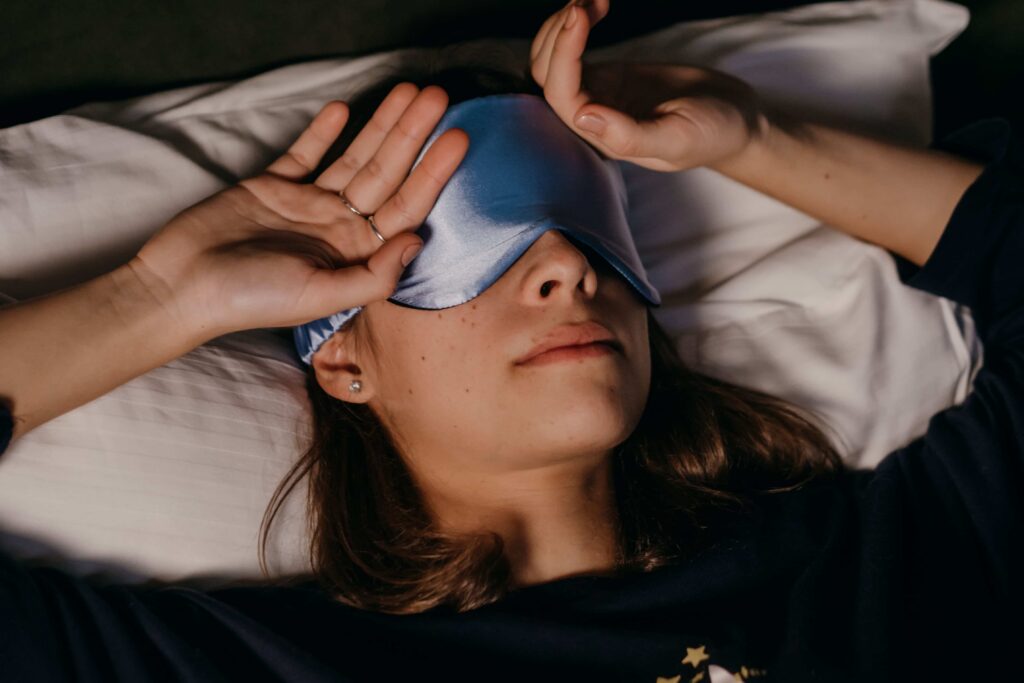
If you’ve ever spent hours staring at the ceiling, woken up repeatedly throughout the night, or felt exhausted despite getting a full night’s sleep, you’re not alone. Sleep problems affect millions of adults and children and can have a profound impact on physical health, emotional well-being, memory, and daily functioning.
While medications and sleep hygiene strategies can be helpful, many people are looking for additional, non-drug approaches to improve sleep. One option that has gained increasing attention is neurofeedback – a form of biofeedback that helps individuals learn to regulate their brain activity.
So, what does the research say about neurofeedback and sleep?
Why Sleep Matters
Sleep is far more than a time when the body “shuts off.” During sleep, the brain performs many essential functions, including:
- Consolidating memories
- Supporting learning
- Clearing metabolic waste products
- Regulating hormones
- Supporting attention and decision-making
When sleep is disrupted, it can affect nearly every aspect of life.
Common consequences of poor sleep include:
- Difficulty concentrating
- Brain fog
- Memory problems
- Irritability/increased anxiety
- Depression
- Reduced productivity
Long-term sleep deprivation has also been linked to cardiovascular disease, obesity, diabetes, and other chronic health conditions.
Why Do Sleep Problems Happen?
Sleep difficulties can have many different causes. For some people, the brain struggles to “turn off” at night. Others experience frequent awakenings, restless sleep, or difficulty maintaining a healthy sleep-wake rhythm.
Sleep problems are commonly associated with:
- Anxiety
- Chronic stress
- ADHD
- PTSD
- Depression
- Chronic pain
- Perimenopause and menopause
- Medical conditions
- Shift work
- Poor sleep habits
Because the causes vary from person to person, treatment often needs to be individualized.
What Is Neurofeedback?
Neurofeedback is a type of biofeedback that provides real-time information about brainwave activity using sensors placed on the scalp.
During a session, specialized software monitors electrical activity produced by the brain. The individual receives immediate feedback—often through visual or auditory cues—when their brain activity moves toward a desired pattern.
Over repeated sessions, the goal is to help the individual’s brain practice regulating certain patterns of brain wave activity through a process of learning called operant conditioning.
Unlike medication, neurofeedback does not add chemicals to the body. Instead, it aims to strengthen the brain’s own self-regulation.
How Can Neurofeedback Affect Sleep?
Healthy sleep requires the brain to shift between being alert and being ready for sleep.
For some people with insomnia, the brain may remain in a state of heightened alertness even when the body is tired. Others may have difficulty maintaining stable sleep throughout the night.
Neurofeedback is designed to support more balanced brain activity, which may help improve the brain’s ability to transition into restful sleep.
Researchers have proposed several ways neurofeedback may influence sleep:
- Improving regulation of brain arousal
- Supporting emotional regulation
- Reducing stress reactivity
- Promoting relaxation
- Improving attention during the day, which may help regulate sleep at night
Research on neurofeedback for sleep is promising, though the quality and size of studies vary. Several studies have reported potential improvements in:
- Time needed to fall asleep
- Total sleep time
- Sleep efficiency
- Sleep quality
- Nighttime awakenings
- Daytime fatigue
Because sleep can also impact on anxiety, stress and attention, improvements in sleep may also improve overall functioning.
However, neurofeedback is not a guaranteed solution for every sleep problem, and larger, high-quality studies are still needed to better understand who benefits most and which training approaches are most effective.
Conditions Commonly Associated with Sleep Difficulties
Sleep problems can occur alongside a range of physical and mental health concerns. Understanding what may be contributing to disrupted sleep is an important step in choosing an appropriate treatment.
Anxiety – persistent worry can keep the brain in a heightened state of alertness, making it difficult to fall asleep or stay asleep.
ADHD – many children and adults with ADHD experience delayed sleep onset, restless sleep, or inconsistent sleep schedules.
Perimenopause and Menopause – hormonal changes, hot flashes, night sweats, and mood changes can disrupt sleep during perimenopause and menopause. Research on neurofeedback’s effectiveness for menopause-related sleep difficulties has not been established; however, improving stress regulation may help some women with sleep regulation.
Chronic Stress – long-term stress activates the body’s stress response, making restorative sleep more difficult.
Neurofeedback Is Part of a Comprehensive Plan
Sleep problems can have several contributing factors, so treatment should be guided by the nature of the difficulty and the person’s overall health.
Depending on the situation, a sleep plan may include:
- Keeping a consistent sleep and wake schedule.
- Managing stress and maintaining regular physical activity.
- Adjusting caffeine use and other habits that may interfere with sleep.
- Cognitive Behavioral Therapy for Insomnia (CBT-I), an established treatment for chronic insomnia in adults.
- Medical evaluation for possible sleep disorders, such as obstructive sleep apnea or restless legs syndrome.
Neurofeedback may be an option some people wish to explore, but it should not replace appropriate evaluation or established treatments for sleep disorders.
What to Expect During Neurofeedback
Although protocols differ among providers, a typical neurofeedback program begins with a detailed assessment to understand your symptoms, goals, and overall functioning.
During each session:
- Sensors are placed on the scalp to record brainwave activity.
- No electricity is sent into the brain.
- You watch a computer-based game or receive audiovisual feedback while your brain activity is monitored.
- At Northwest Neurofeedback, sessions last 45 minutes.
- The number of sessions depends on the individual’s needs, the training approach of the provider and the individual’s response. At Northwest Neurofeedback, a typical course of intervention is 20-30 sessions.
Frequently Asked Questions
Is neurofeedback safe?
At Northwest Neurofeedback we perform neurofeedback by placing sensors on the scalp; therefore, it is noninvasive and is well tolerated by most people when provided by a qualified clinician. Temporary effects, such as fatigue or mild headaches, may occur in some individuals but are usually short-lived.
Will neurofeedback replace sleep medication?
Not necessarily. Some people use neurofeedback alongside medication or other treatments. Changes to prescribed medications should always be discussed with the prescribing healthcare professional.
How long does it take to notice improvements?
Some individuals report changes within several sessions, while others require more time. Progress depends on factors such as the underlying cause of the sleep difficulty, consistency of training, and individual differences.
Final Thoughts
Sleep is essential for brain health, emotional well-being, and overall quality of life. While no single treatment works for everyone, neurofeedback offers a noninvasive approach that may help some individuals improve the brain’s ability to regulate itself.
If sleep difficulties are affecting your focus, mood, or daily life, Northwest Neurofeedback can help you learn more about neurofeedback and whether it may be an option to discuss as part of your broader approach to brain health. We encourage anyone experiencing persistent sleep problems to seek appropriate medical guidance to identify possible causes and explore evidence-based treatment options.
This article is for informational purposes only and is not a substitute for personalized medical or clinical advice. Please consult a qualified healthcare provider before beginning any new treatment.